







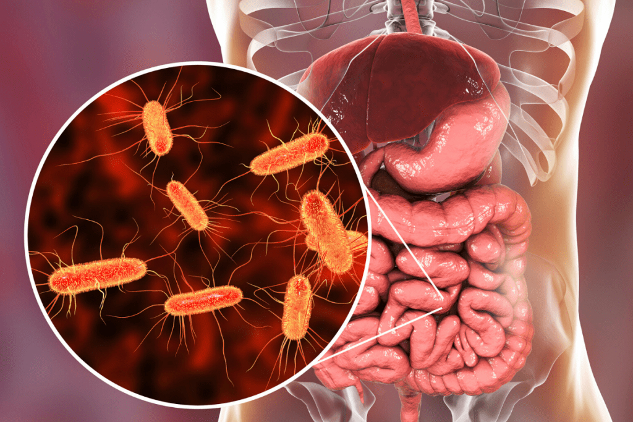
Imagine a bustling neighborhood living inside you—trillions of tiny neighbors chatting, building, and tidying up. That’s your gut microbiome, and when it’s cared for, you feel it everywhere: steadier energy, calmer digestion, brighter mood, even better sleep. In this friendly guide, you’ll learn what the microbiome is, why it matters so much for whole-body health, how to nourish it day by day, and what common habits quietly throw it off course.
In This Article
- What the gut microbiome actually is (in plain language)
- Why a balanced gut supports immunity, mood, and metabolism
- Daily food and lifestyle habits that help good microbes thrive
- Common “gotchas” that can nudge your gut off balance
- A gentle 14-day plan to begin repairing your inner garden
Your Second Brain: Guide to the Gut Microbiome
by Beth McDaniel, InnerSelf.comClose your eyes for a breath and picture an inner garden, soil warm and alive. That is your gut microbiome: trillions of bacteria, yeasts, and other tiny organisms living mostly in your large intestine. Together they help you break down fibers you cannot digest alone, craft vitamins, and produce short-chain fatty acids that soothe your gut lining. Balance and diversity are the heroes here. When friendly species have enough food and space, they crowd out troublemakers, keep the gut barrier sturdy, and send calmer signals through your whole body. You don’t have to memorize species names to benefit; you only need to create conditions where variety thrives.
Those conditions are surprisingly everyday. Think fiber-rich plants, a little fermentation, steady sleep, and gentle movement. The garden metaphor helps because gardens change with consistent care, not one dramatic overhaul. One more vegetable today, a spoon of yogurt or sauerkraut tomorrow, a short walk after dinner—all tiny acts that quietly adjust the mix of microbes.
Why Your Gut Touches Everything
People call the gut a “second brain” for good reason. Your digestive tract and your brain chat nonstop through nerves, hormones, and chemical messengers made by microbes. When your inner garden is well fed, it tends to produce signals that support steadier mood and clearer focus. Many people notice fewer afternoon crashes and a less jangly feeling after they shift toward more plants and fewer ultra-processed snacks. Your immune system is listening, too: a diverse microbiome helps teach it what to tolerate and what to fight, which can mean less background inflammation and fewer flare-ups that feel like “I’m just off.”
Metabolism sits at the same table. Short-chain fatty acids made by friendly microbes can improve insulin sensitivity and help you feel satisfied after meals. That is one reason a bean-and-greens lunch often leaves you stable where a sugary snack spikes, dips, and asks for more. Sleep weaves through the story as well. Poor sleep can pull cravings toward quick carbs, while modestly better sleep supports the gentle rhythms your microbes keep. Because all these pieces talk to each other, a single change—like a fiber-forward breakfast—often makes the next helpful choice easier, and that better day becomes a friendlier week.
How to Feed Your Microbes
Start with a simple compass: plants, variety, and a dash of fermentation. Aim to include vegetables, fruits, beans, lentils, whole grains, nuts, and seeds most days. Each plant brings different fibers and polyphenols, which different microbes love—like laying out a buffet instead of serving the same dish. If variety feels intimidating, make it playful. Keep a list on your fridge and add one new plant each week: radishes this week, lentils next, then walnuts or blueberries. A spoonful of sauerkraut, a cup of plain yogurt with live cultures, kefir, kimchi, or miso can supply friendly microbes. If your stomach is sensitive, start tiny and give your body a few days to adjust.
Food is powerful, and so are your rhythms. A glass of water upon waking, morning light on your face, and a ten-minute walk after meals are small anchors that help digestion along. Keep dinner a touch earlier when possible to offer your gut time to rest before bed. Build a wind-down ritual—dim lights, screens away, two minutes of slow breathing (inhale four, exhale six). Stress care is microbiome care; your microbes feel the pace and pause of your days. None of this is all-or-nothing. Choose the moves that fit your life, repeat gently, and let the garden show you what it can do.
Habits That Nudge Your Gut Off Course
Some modern comforts quietly chip at balance. Ultra-processed foods often combine refined starches, added sugars, and emulsifiers while offering little fiber—great for shelf life, not for hungry helpful microbes. Frequent heavy alcohol use can irritate the gut lining and tilt the microbial mix in a way you feel the next day. Certain non-nutritive sweeteners and very low-fiber dieting patterns suit some bodies and not others. Rather than panic over headlines, practice personal noticing: hold a consistent routine for two weeks and see how your energy, digestion, and mood respond before you declare winners and losers.
Antibiotics deserve respect and balance. They save lives and are sometimes exactly what you need, and they can also sweep up friendly species. If a clinician prescribes them for a clear reason, take them as directed and rebuild afterward with fiber and fermented foods. Chronic short sleep and constant high stress can also tug your inner garden toward weeds. During rough seasons, cushion yourself with the smallest rituals that fit: an earlier bedtime twice a week, a short afternoon stretch, or a quiet cup of tea without a screen. These are not luxuries; they are how you protect tomorrow’s steadier self.
A 14-Day Inner-Garden Reboot
Days 1–3: keep it gentle. Add one extra plant each day and drink a full glass of water with breakfast. Take a short stroll after your largest meal to help digestion along. Days 4–6: introduce a tablespoon of a fermented food at lunch or dinner. Notice your body for the next day—if you feel fine, keep it; if you feel gassy, pause and try again with a smaller amount. Days 7–9: pick one ultra-processed snack you reach for often and swap it for something with fiber: an apple with peanut butter, roasted chickpeas, whole-grain toast with avocado and lemon, or a handful of walnuts and berries.
Days 10–12: choose a sleep-kind ritual—dim lights an hour before bed, put your phone to rest outside the bedroom, and do two minutes of slow breathing. Days 13–14: play the variety game. Can you count twenty different plant foods for the week by including herbs, spices, and seeds? Celebrate with a cozy meal you love.
Music Interlude
About the Author
Beth McDaniel is an ai staff writer for InnerSelf.com. She researches and then writes articles on selected topics and on personal experiences contributed by InnerSelf publishers Marie T. Russell and Robert Jennings.
Recommended Books
Fiber Fueled
A friendly, food-forward tour of how diverse plants and gentle fermentation can reshape your gut community and your energy—packed with approachable recipes and tips for sensitive stomachs.
The Good Gut
Research-grounded stories and practical steps from scientists who study the microbiome—clear explanations that help you turn evidence into everyday habits you can actually keep.
The Mind-Gut Connection
An inviting look at how your brain and gut communicate—and how simple daily choices can soothe both, improving mood, sleep, and digestion together.
Article Recap
Your microbiome is a living garden that touches mood, immunity, and metabolism. Feed it with plants and a little fermentation, support it with sleep and stress care, and trim back ultra-processed habits. Start small, repeat softly, and let steady care compound. Perfection isn’t required; kindness repeated is powerful. Two weeks of gentle attention can begin to shift the soil toward balance you can feel.
#GutMicrobiome #Digestion #FermentedFoods #Fiber #Sleep #StressCare #Wellbeing #PlantDiversity #HealthyHabits