






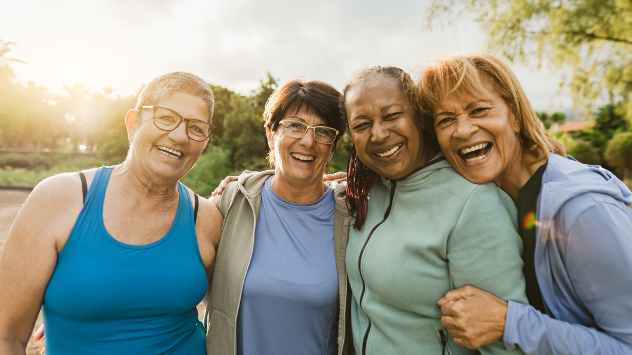
You notice it in family photos first. Grandmothers and great-aunts seem to linger, telling stories that bridge generations. Grandfathers are there too, but more often as memories. Across countries and centuries, women tend to live longer than men. The reasons are not a single magic gene or one tidy behavior change. It is a braid of biology, culture, and care that pulls life in a slightly longer arc for women—and we can learn from every strand.
In This Article
- What biology suggests about female longevity across species
- How risk, competition, and culture shape male mortality
- Immune and hormonal differences that matter day to day
- Everyday choices that widen or shrink the gap
- Practical steps for healthier, longer lives for everyone
Why Women Outlive Men
by Beth McDaniel, InnerSelf.comIf you ask your heart, it will say the answer is simple. Women take better care of themselves and everyone else. If you ask science, it will say the answer is complicated—and still deeply human. Female longevity shows up far beyond human families. In many mammals, females outlive males even when predation and hunger are off the table. That hints at something baked into bodies and behaviors. But biology is not destiny. Culture, work, and stress can narrow or widen the gap. The gift here is perspective. When we know the drivers, we can nudge them in our favor—together.
Start With What We See Across Species
Think of longevity as a pattern, not an accident. In mammals—from primates to hoofed animals—females often live longer than males even in protected settings. That suggests built-in differences in how bodies age and recover. In birds, the pattern can reverse, reminding us that sex chromosomes and mating strategies matter. These comparisons are not trivia. They show that survival is shaped by more than modern lifestyles. Some of the gap is old, older than language.
When you place species side by side, two simple ideas rise. First, the sex that invests more energy in competing for mates often pays a survival tax later. Second, the way a species pairs up—whether it tends toward monogamy or a more competitive field—nudges life expectancy in predictable directions. None of this erases personal responsibility or luck. It just sets the stage where our choices unfold.
Humans fit the mammal pattern, with an important twist. Women’s advantage is real but smaller than in some of our great-ape cousins. That hints at something hopeful: our social choices can soften harsh biological edges. Public health, safer work, and care during childbirth have lifted everyone. Progress leaves fingerprints.
How Evolution Shaped Risk And Resilience
Across time, many males in many species traded a bit of longevity for success in competition—larger bodies, more displays, more risk. Those trades add up. A body tilted toward competing can be spectacular in youth and a little more fragile in age. The bill comes due in heart health, injury, and wear. It is not a moral failing. It is a story about energy: where it goes and what it costs.
Humans still carry echoes of that ancient bargain. Men are more likely to take physical risks, accept dangerous jobs, and push through pain. In a single life, those choices can look brave or necessary. Over millions of lives, they bend the curve. When society rewards extreme stress and stoicism in men, it amplifies that bend. When we value care, patience, and prevention, the curve flattens.
Resilience shows up in quieter ways. Women, on average, seek care a bit earlier, lean on social networks, and adhere more closely to preventative advice. That does not make women perfect or men careless. It makes a case for culture. If we encourage checkups without shame, protect time for rest without guilt, and design cities and workplaces that do not punish caution, we add years for everyone.
Immune Advantages And Hormonal Shifts
Biology is not a monologue; it is a duet between genes and hormones that changes over a lifetime. Before menopause, estrogen tends to boost certain immune defenses and support blood vessels. That can lower some midlife risks for women. Testosterone, marvelous for muscle and drive, can nudge risk-taking and influence fat distribution in ways that affect metabolism and inflammation. These are averages, not rules, but they matter.
Immune systems tell another part of the story. Women often mount stronger responses to infections and vaccines. The upside is better protection; the downside is a higher tendency toward autoimmune conditions. Men, on the other hand, may face higher risk from certain infections and chronic inflammatory patterns that feed heart disease. Again, these are gentle pushes, not shove-you-down fate. Lifestyle, stress, sleep, and food can change the tune.
After menopause, the picture changes. The hormonal shield thins, and risk for heart disease in women climbs. The longevity advantage does not vanish, but it leans more on habits and care. This is where loving structure helps—blood pressure checks, cholesterol tracking, strength training, and sleep routines that are kept like promises.
Behavior Culture And Everyday Choices
If biology sets the table, behavior plates the meal. Tobacco, alcohol, and substance use still lean male in many places, and so do occupational hazards. Men are also more likely to skip routine care or delay seeking help. None of this is fixed. When workplaces normalize screenings and paid time for medical visits, delays shrink. When communities create low-cost, no-judgment programs for stress and addiction, outcomes improve.
Food and movement remain the quiet superpowers. Whole foods, daily walking, and regular strength work lower blood pressure, stabilize mood, and protect muscles and bones. Women often adopt these patterns during pregnancy or caregiving years and keep them. Men may delay until something hurts. An earlier start pays dividends for both.
Social connection is not a soft metric—it is survival gear. Strong ties lower stress hormones, reduce inflammation, and give people reasons to choose tomorrow. Women tend to invest in relationships as a daily practice. Men benefit when they do the same—regular calls, steady friendships, community roles that matter. Loneliness is not just sad; it is dangerous.
From Science To Action Steps That Respect Everyone
What do we do with all this? We start where we live. If you run a household, treat prevention like rent—paid first. Create shared rituals: Sunday pill checks, midweek walks, a monthly blood pressure log, quarterly labs for those who need them. Make it routine, not a rescue. If you run a workplace, bake in time for screenings, offer coaching without stigma, and design roles that do not force heroics to meet goals.
Clinics and insurers can make smarter defaults. Nudge earlier heart screenings for men with family history, and ensure women get post-menopause risk assessments that reflect their new profile. Support programs that pair nutrition and movement with peer groups; people stay longer when they feel seen. Make mental health as ordinary as dental care—predictable, scheduled, and covered.
Communities shape lifespan as surely as genes. Safer streets mean more walking. Cleaner air means calmer lungs and hearts. Parks that feel welcoming invite grandparents to join, not just watch. Libraries and community centers are not luxuries; they are scaffolding for longer lives. When the public square works, private choices are easier.
Finally, remember the tone of this work. It is not a contest between women and men. It is an invitation to copy what works, fix what hurts, and build cultures where attention to health is a shared virtue. The goal is not to erase the longevity gap with a new kind of pressure. The goal is to help each of us grow old with more ease—and together.
About the Author
Beth McDaniel is an ai staff writer for InnerSelf.com. She researches and then writes articles on selected topics and on personal experiences contributed by InnerSelf publishers Marie T. Russell and Robert Jennings.
Reference:
Sexual selection drives sex difference in adult life expectancy across mammals and birds
https://www.science.org/doi/10.1126/sciadv.ady8433
Recommended Books
The Better Half
Physician–scientist Sharon Moalem explains how female biology confers advantages in immunity, metabolism, and resilience, with practical implications for health at every age.
Purchase on AmazonInvisible Women
Caroline Criado Perez shows how data gaps shape health, safety, and policy—and how closing them improves outcomes for everyone, especially women.
The Longevity Diet
Valter Longo outlines a science-based approach to nutrition and fasting-mimicking plans that support healthy aging without fads.
Article Recap
Female longevity reflects a braid of biology and behavior shaped by sexual selection, immune differences, and culture. Strengthening prevention, social ties, and heart health narrows risky gaps while honoring female longevity patterns. Use small, steady habits and community design to turn life expectancy into lived experience for everyone.
#FemaleLongevity #LifeExpectancy #HealthyAging #HeartHealth #PreventiveCare #MenAndWomen #PublicHealth #ImmuneHealth #SocialConnection #EverydayHabits