







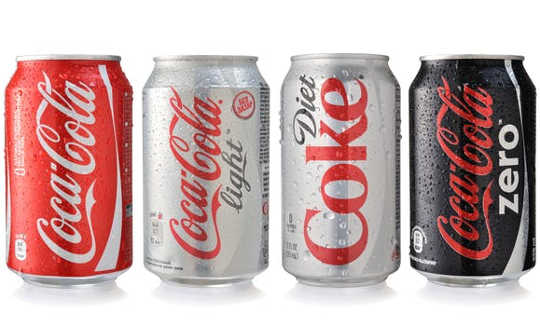

Coca-Cola is the world’s most popular carbonated soft drink. The original is made with sugar, but the others contain artificial sweeteners that are now linked to a rise in obesity and diabetes.
Artificial sweeteners, commonly found in diet sodas, are linked to rising obesity and diabetes rates. While marketed as healthier alternatives, recent studies suggest they may disrupt metabolic processes and alter gut microbiomes, potentially increasing the risk of chronic diseases. This article explores the implications of these sweeteners on health and policy.
In This Article
- What are the health risks associated with artificial sweeteners?
- How do artificial sweeteners affect metabolism and gut health?
- What mechanisms contribute to the effects of non-nutritive sweeteners?
- How can consumers make informed choices about sweeteners?
- What limitations exist in current research on sweeteners?
Artificial sweeteners are everywhere, but the jury is still out on whether these chemicals are harmless. Also called non-nutritive sweeteners, these can be synthetic – such as saccharin and aspartame – or naturally derived, such as steviol, which comes from the Stevia plant. To date, the U.S. Food and Drug Administration has approved six types of artificial and two types of natural non-nutritive sweeteners for use in food.
That’s been great news for those working hard to curb their sugar consumption. Aspartame, for example, is found in more than 6,000 foods worldwide, and about 5,000-5,500 tons are consumed every year in the United States alone.
The American Diabetes Association – the most well-respected professional group focusing on diabetes – officially recommends diet soda as an alternative to sugar-sweetened beverages. To date, seven U.S. municipalities have imposed a sugary beverage tax to discourage consumption.
However, recent medical studies suggest that policymakers eager to implement a soda tax may also want to include diet drinks because these sweeteners may be contributing to chronic diabetes and cardiovascular diseases as well.
Why are these sweeteners calorie-free?
The key to these virtually calorie-free sweeteners is that they are not broken down during digestion into natural sugars like glucose, fructose and galactose, which are then either used for energy or converted into fat.
Non-nutritive sweeteners have different byproducts that are not converted into calories. Aspartame, for example, undergoes a different metabolic process that doesn’t yield simple sugars. Others such as saccharin and sucralose are not broken down at all, but instead are absorbed directly into the bloodstream and excreted in the urine.
Theoretically, these sweeteners should be a “better” choice than sugar for diabetics. Glucose stimulates release of insulin, a hormone that regulates blood sugar levels. Type 2 diabetes occurs when the body no longer responds as well to insulin as it should, leading to higher levels of glucose in the blood that damages the nerves, kidneys, blood vessels and heart. Since non-nutritive sweeteners aren’t actually sugar, they should sidestep this problem.
Artificial sweeteners, your brain and your microbiome
However, there is growing evidence over the last decade that these sweeteners can alter healthy metabolic processes in other ways, specifically in the gut.
Long-term use of these sweeteners has been associated with a higher risk of Type 2 diabetes. Sweeteners, such as saccharin, have been shown to change the type and function of the gut microbiome, the community of microorganisms that live in the intestine. Aspartame decreases the activity of a gut enzyme that is normally protective against Type 2 diabetes. Furthermore, this response may be exacerbated by the “mismatch” between the body perceiving something as tasting sweet and the expected associated calories. The greater the discrepancy between the sweetness and actual caloric content, the greater the metabolic dysregulation.
Sweeteners have also been shown to change brain activity associated with eating sweet foods. A functional MRI exam, which studies brain activity by measuring blood flow, has shown that sucralose, compared to regular sugar, decreases activity in the amygdala, a part of the brain involved with taste perception and the experience of eating.
Another study revealed that longer-term and higher diet soda consumption are linked to lower activity in the brain’s “caudate head,” a region that mediates the reward pathway and is necessary for generating a feeling of satisfaction. Researchers have hypothesized that this decreased activity could lead a diet soda drinker to compensate for the lack of pleasure they now derive from the food by increasing their consumption of all foods, not just soda.
Together these cellular and brain studies may explain why people who consume sweeteners still have a higher risk of obesity than individuals who don’t consume these products.
As this debate on the pros and cons of these sugar substitutes rages on, we must view these behavioral studies with a grain of salt (or sugar) because many diet soda drinkers – or any health-conscious individual who consumes zero-calorie sweeteners – already has the risk factors for obesity, diabetes, hypertension or heart disease. Those who are already overweight or obese may turn toward low-calorie drinks, making it look as though the diet sodas are causing their weight gain.
This same group may also be less likely to moderate their consumption. For example, those people may think that having a diet soda multiple times a week is much healthier than drinking one case of soda with sugar.
These findings signal that consumers and health practitioners all need to check our assumptions about the health benefits of these products. Sweeteners are everywhere, from beverages to salad dressing, from cookies to yogurt, and we must recognize that there is no guarantee that these chemicals won’t increase the burden of metabolic diseases in the future.
As a physician of internal medicine specializing in general prevention and public health, I would like to be able to tell my patients what the true risks and benefits are if they drink diet soda instead of water.
Legislators considering soda taxes to encourage better dietary habits perhaps should think about including foods with non-nutritive sweeteners. Of course, there is an argument to be made for being realistic and pursuing the lesser of two evils. But even if the negative consequences of sugar substitutes doesn’t sway our tax policy – for now – at least the medical community should be honest with the public about what they stand to lose or gain, consuming these foods.
 Legislators considering soda taxes to encourage better dietary habits perhaps should think about including foods with non-nutritive sweeteners. Of course, there is an argument to be made for being realistic and pursuing the lesser of two evils. But even if the negative consequences of sugar substitutes doesn’t sway our tax policy – for now – at least the medical community should be honest with the public about what they stand to lose or gain, consuming these foods.
About The Author
Eunice Zhang, Clinical Fellow of Preventive Medicine, University of Michigan
This article was originally published on The Conversation. Read the original article.
Further Reading
-
The Case Against Sugar
This book examines the history of sugar consumption and the scientific evidence linking excess sugar intake to obesity, diabetes, and chronic disease. It provides historical context for understanding why reducing added sugars has become a major public health goal while also raising broader questions about dietary alternatives.
Amazon: https://www.amazon.com/exec/obidos/ASIN/0307701646/innerselfcom
-
The Obesity Code: Unlocking the Secrets of Weight Loss
This book explores how hormones, insulin regulation, and modern eating patterns influence body weight and metabolic health. It offers readers a broader perspective on obesity and diabetes, helping place artificial sweeteners within the larger discussion of nutrition and metabolism.
Amazon: https://www.amazon.com/exec/obidos/ASIN/1925228797/innerselfcom
-
Fiber Fueled
This book focuses on the relationship between diet, the gut microbiome, and overall health. It explains how dietary choices influence intestinal bacteria and metabolic function, providing useful background for understanding research on how artificial sweeteners may affect the gut ecosystem.
Amazon: https://www.amazon.com/exec/obidos/ASIN/059308456X/innerselfcom
Article Recap
Artificial sweeteners may not be the healthy alternatives they are marketed as, potentially contributing to obesity and diabetes. Consumers should critically evaluate their use and consider the broader implications for health and policy.
#InnerSelfcom #ArtificialSweeteners #DietSoda #ObesityRisk #GutHealth #MetabolicDisorders