Life Changes
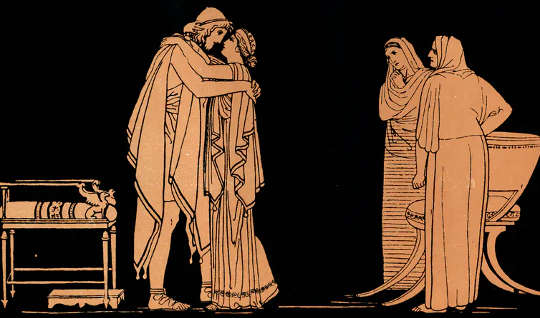
Healing Through Storytelling: Lessons from The Odyssey
The journey of Odysseus in Homer's 'The Odyssey' offers profound insights into healing...








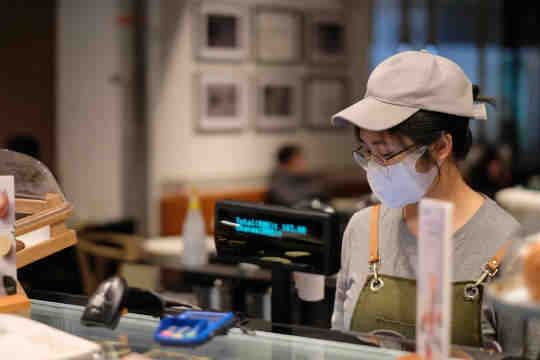
Like many low-wage restaurant workers, Su Hua Mei and her husband lost their jobs last spring as the pandemic took hold.
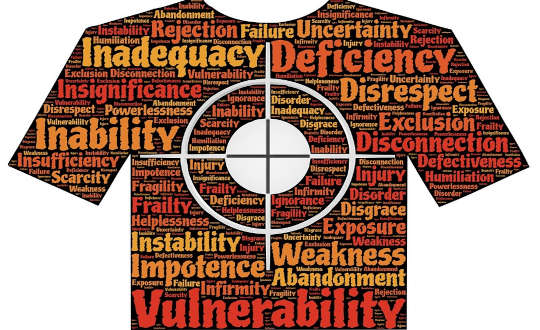
An aversion to uncertainty only exacerbates how similarly two conservative brains or two liberal brains respond when consuming political content

Conspiracies are found to be true on occasion, which renders them no longer “theories”. For example, in the 1960s and 70s, the CIA really did engage in secretive experiments to identify drugs to force confessions. But what is surprising is the degree to which people seem to believe in unfounded conspiracies, especially given the lack of evidence.

I’m a professor of chemistry, have a Ph.D. and conduct my own scientific research, yet when consuming media, even I frequently need to ask myself: “Is this science or is it fiction?”
Search engines are one of society’s primary gateways to information and people, but they are also conduits for misinformation.
Google, Facebook, Microsoft, TikTok, Redbubble and Twitter have agreed to abide by a code of conduct targeting misinformation. Suspiciously, however, the so-called Australian Code of Practice on Disinformation and Misinformation was developed by, well, these same companies.
Without the welcome arrival of immigrants, our countries would slowly empty themselves of their population. In Germany, thanks to the massive and very recent increased influx of immigrants and refugees, the birth rate shot up from a low of 1.39 in 2010 (at the time one of the lowest if not the lowest in the world) to 1.5 in 2016.

Simply telling people not to gather for holiday rituals to avoid spreading COVID-19 won’t work, say researchers who cite the psychology of rituals.
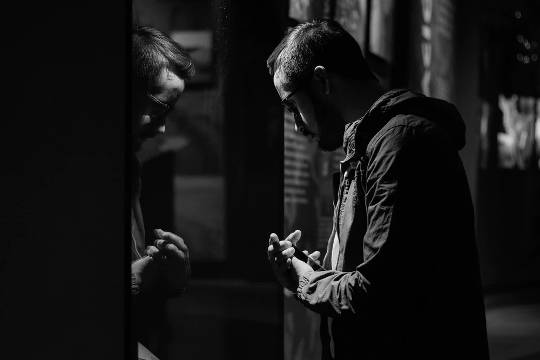
A dark mirror shows features one would rather not see. You gaze at the repulsive visage in the picture frame, the caricature of everything despicable, only to realize with dawning horror that you are looking not at a portrait but at a mirror.

While the consequences of the COVID-19 pandemic are still unclear, it is certain that they are a profound shock to the systems underpinning contemporary life.
The number of new COVID-19 cases in the U.S. has jumped to around 50,000 a day, and the virus has killed more than 130,000 Americans.

The fundamental difference between leaders who are good demagogues and leaders who are dangerous demagogues is found in the answer to this simple question:

As a sociolinguist who studies and writes about language and discrimination, I was also struck by the name given to Cooper in several headlines: “Central Park Karen.” On Twitter, the birder’s sister also referred to her as a “Karen.”
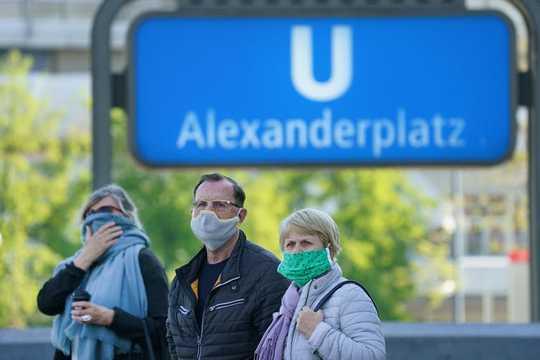
COVID-19 has put political leaders and health care systems worldwide to the test. Although lockdowns are the common approach, some countries have opted for less stringent measures.
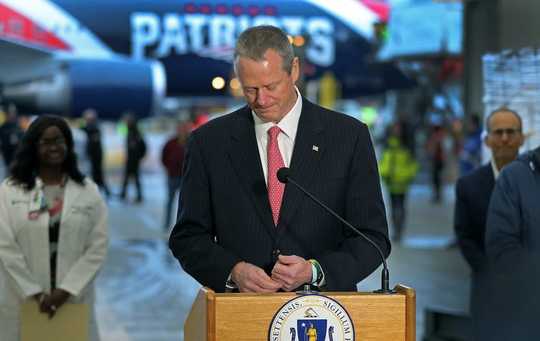
Resilience, communication skills, openness and impulse control top the list of six qualities that presidential historian Doris Kearns Goodwin says are common to good leaders.

The “anti-lockdown” and #Reopen protests in the U.S. have powerful and secretive backers, but there are real Americans on the streets expressing their opinions.
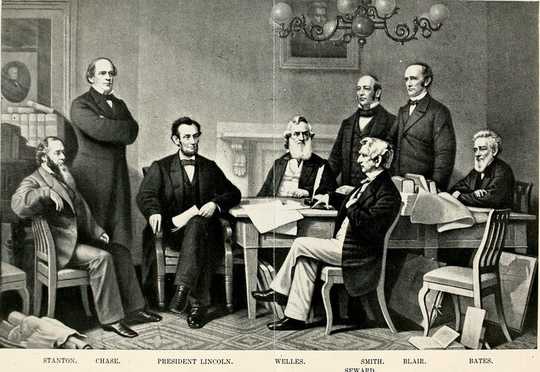
In March 1861, as Abraham Lincoln was inaugurated as president, the United States faced its greatest crisis: its sudden and unexpected dissolution. Seven of the then 31 states had already voted to secede from the Union.

People are frustrated and depressed, but have complied with what they’ve been asked to endure because they trust that state and local public health officials are telling the truth about the coronavirus pandemic.

While the increased isolation and spacing of the new drastic measures come as shock to many people, social distancing is not new if you take the long view – the very long view.
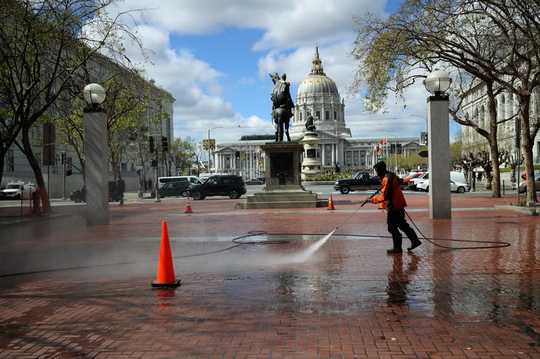
The immediate concerns of the coronavirus are clear: an unprecedented health crisis and economic devastation.
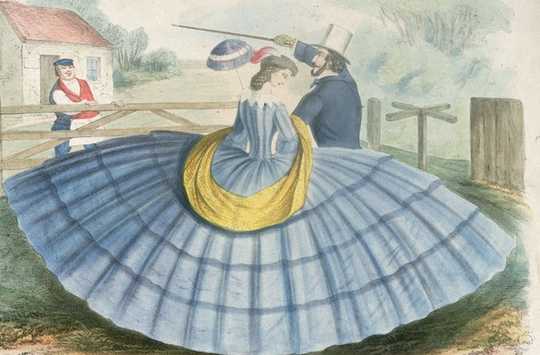
As the world grapples with the coronavirus outbreak, “social distancing” has become a buzzword of these strange times.
The journey of Odysseus in Homer's 'The Odyssey' offers profound insights into healing...
Fostering a legacy of joy empowers individuals to inspire authentic self-expression in...
Junk emotions like anxiety, anger, and jealousy can hinder personal well-being and...

Awareness meditation shifts focus from traditional breath techniques to observing...
The exploration of precognitive dreaming reveals a profound interconnectedness within...
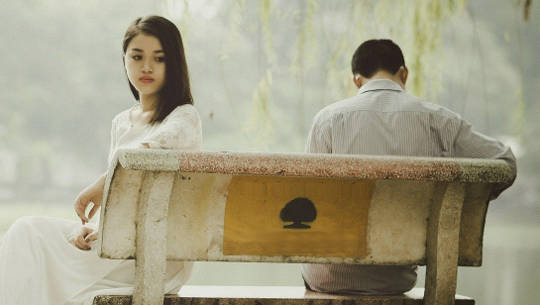
Negative moods can linger and affect overall well-being, but identifying their triggers...

A rare celestial formation is quietly reshaping the foundations of everything we know —...
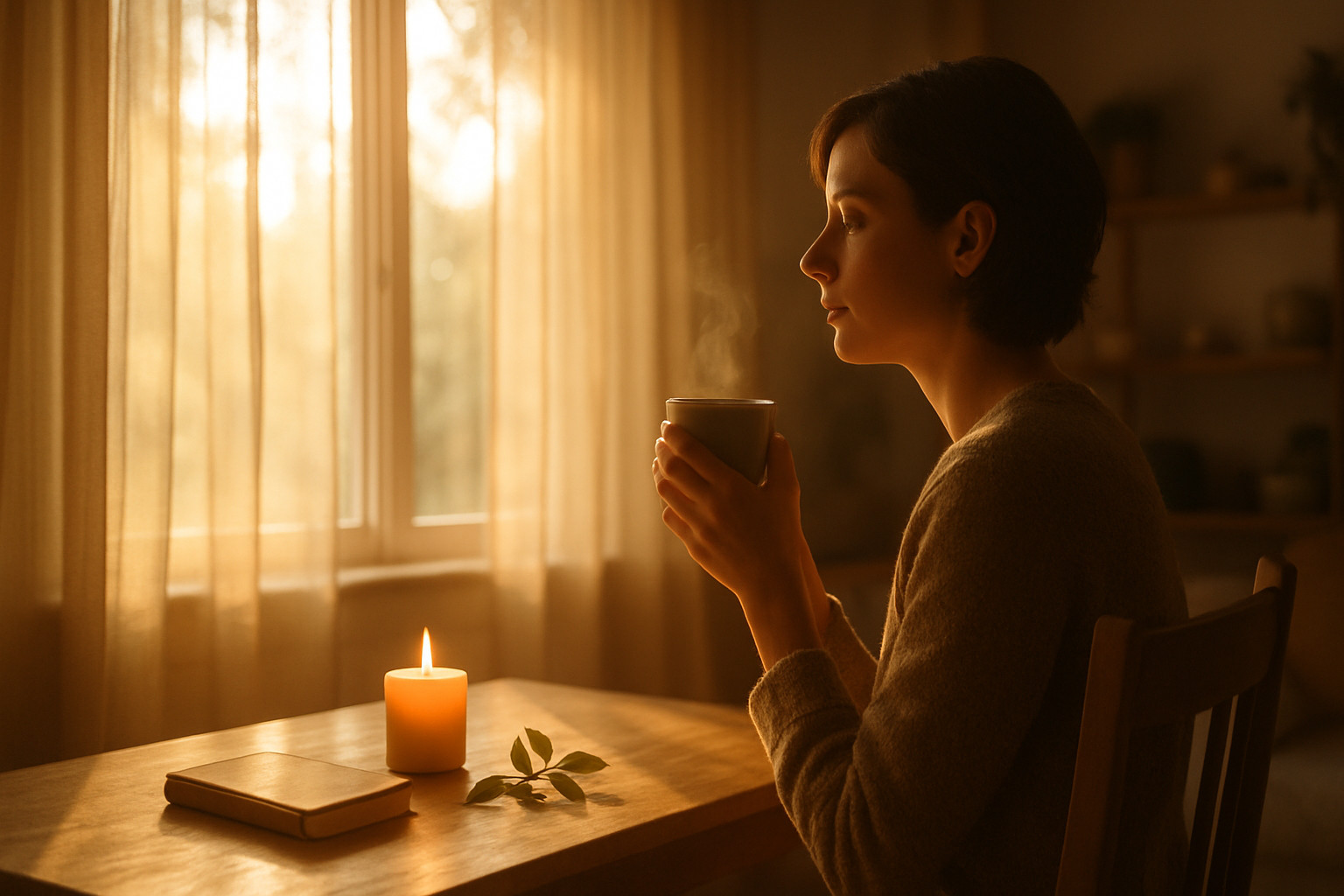
You don't need a week in silence at a mountain retreat to feel spiritually alive again....