






Music Videos
Thread By Thread – Gloria Travers & The North Street Band
When love begins to unravel, do you walk away or pick up the thread? “Thread By...

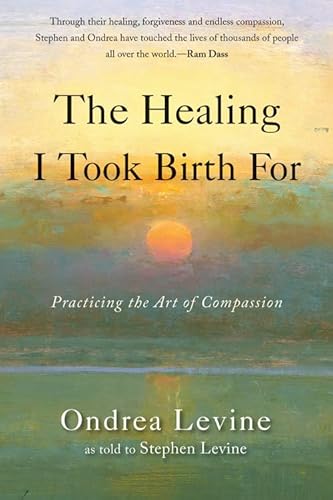
Deep within each of us lies an innate capacity for healing that extends far beyond the physical body. This profound exploration delves into the spiritual dimensions of wellness, offering readers a transformative journey through the landscape of conscious healing and self-discovery. Drawing from decades of meditation practice, hospice work, and intimate encounters with suffering and grace, this work presents a radical approach to understanding illness, pain, and the healing process as pathways to awakening.
At its core, this exploration challenges conventional notions of what it means to heal. Rather than viewing healing solely as the elimination of symptoms or the cure of disease, readers are invited to consider healing as a process of becoming whole—of integrating all aspects of experience, including pain, fear, and mortality, into a more expansive awareness. This perspective doesn't dismiss the importance of physical healing but contextualizes it within a broader spiritual framework where true wellness emerges from deep self-acceptance and the courage to meet life exactly as it is.
The journey unfolds through a series of contemplations, practices, and personal revelations that illuminate the relationship between suffering and grace. Readers will encounter teachings on mindfulness and meditation specifically tailored to those facing health challenges, chronic pain, or life-threatening illness. These aren't abstract philosophical concepts but practical, embodied practices that can be applied immediately to whatever difficulties one faces. The emphasis on bringing gentle, merciful awareness to areas of pain and resistance offers a counterpoint to the common impulse to fight against or deny what hurts.
Read more ▼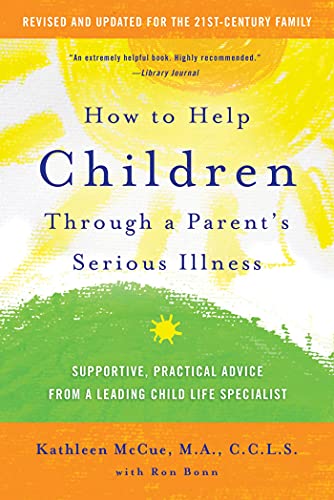
How to help children through a parent's serious illness
Kathleen McCue
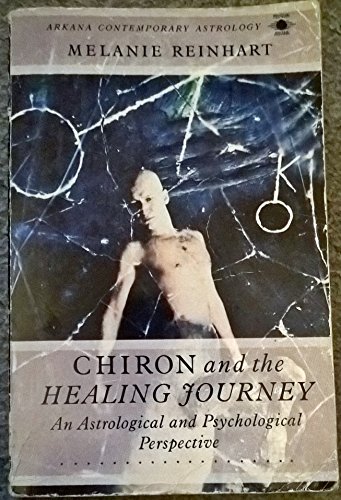
Chiron and the healing journey
Melanie Reinhart
Sara Chetkin
When love begins to unravel, do you walk away or pick up the thread? “Thread By...

What if winning didn’t require someone else to lose? “Winners Together” imagines a world...
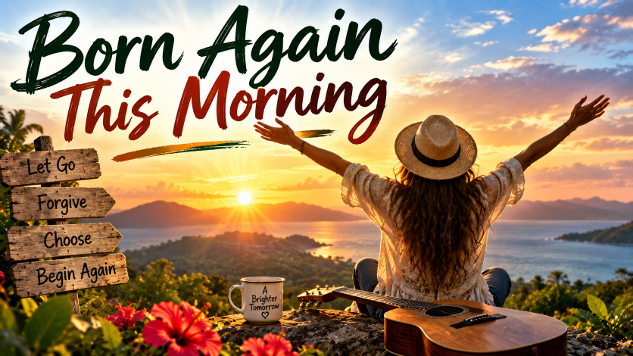
Every morning is another chance to choose what stays with us and what we finally leave...

How much of yesterday are you still carrying today?
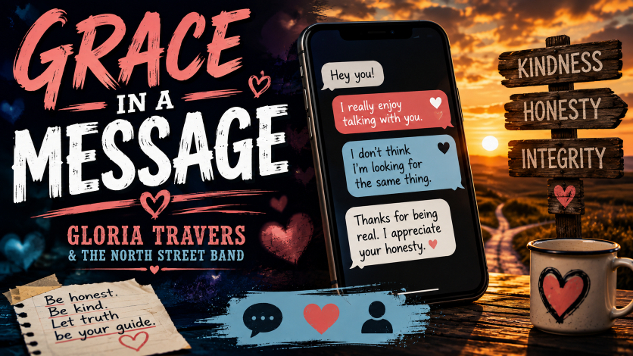
In a world of swipes, matches, texts and disappearing conversations, sometimes the most...

When the world’s problems become overwhelming, shutting down can seem easier...

From September 9 to October 24, 2026, Venus moves out of the harmonious, peace-seeking...

A chatbot told someone it loved them, and that person felt genuinely comforted. That...

Accepting oneself is crucial for navigating change without fear. This article explores...

Despite advancements in technology and education leading to higher IQ scores in...