






InnerSelf Daily Inspiration

July 23, 2026

Safeguarding Freedom of Thought in a Digital Age

Safeguarding Freedom of Thought
in a Digital Age

By Simon McCarthy-Jones

To lose freedom of thought would be to lose something uniquely human. We share our basic emotions with animals. But only we can step back and ask “do I want to be angry?”, “do I want to be that person?”, “couldn’t I be better?”.

— Simon McCarthy-Jones

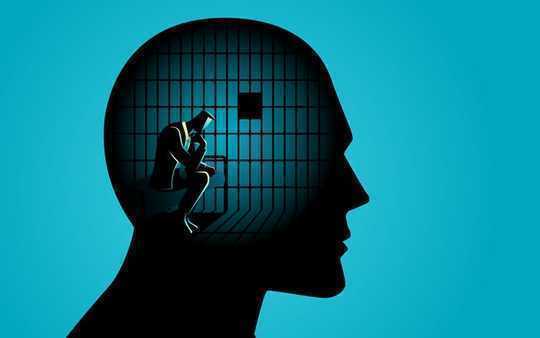
Freedom of thought stands at a critical crossroads. Technological and psychological advances could be used to promote free thought. They could shield our inner worlds, reduce our mental biases, and create new spaces for thought. Yet states and corporations are forging these advances into weapons that restrict what we think.

We can reflect whether the thoughts, feelings and desires that bubble up within us are consistent with our own goals, values and ideals. If we agree they are, then this makes them more truly our own. We can then act authentically. But we may also conclude that some thoughts that pop into our heads are a force other than our own. You sit down to do your work and “Check Facebook!” flashes through your mind. Did that thought come from you or from Mark Zuckerberg?

Freedom of thought demands dignity, enables democracy, and is part of what makes us a person. To safeguard it, we must first recognise its enemies. States and corporations use knowledge of psychology to make us think and act in a way that serves their goals. They use this knowledge to make us gamble more, buy more, and spend more time on social media. It may even be used to swing elections.

Read the Full Article

Recommended Reading

The Age of Surveillance Capitalism: The Fight for a Human Future at the New Frontier of Power

This book examines how digital systems gather personal data and turn human behavior into a source of prediction and control. It is especially useful for readers concerned with privacy, autonomy, and the growing power of corporations to shape attention and choice.

View on Amazon

Thinking, Fast and Slow

This book explains the mental shortcuts, biases, and slower reasoning processes that influence human judgment. It helps readers understand why free thought requires more than having opinions; it also requires knowing how the mind can be steered without our awareness.

View on Amazon

Nudge: Improving Decisions About Health, Wealth, and Happiness

This book explores how the design of choices can influence behavior while still preserving the appearance of freedom. It offers a valuable framework for thinking about when guidance supports autonomy and when it risks becoming manipulation.

View on Amazon

You Shop. Amazon Pays Us.

InnerSelf Stays Free!

Please make your Amazon purchases using this special link —
it doesn't cost you a penny more.

Use this link. Thank you.
https://www.amazon.com/?tag=innerselfcom


Share the Daily with your friends and family & on social media. The world is a big place needing "new attitudes and new possibilities". Help InnerSelf reach more people and make those "new possibilities" a reality! 
Thank you!


You subscribed to this InnerSelf Inspirational email:

If you're receiving this, it's because at some point you subscribed to the InnerSelf Magazine/Newsletter, Today's Inspiration (previously under the name Daily Inspiration) or The Uptake. If you report this as spam, Big Tech then prevents those that want InnerSelf delivered as an email from receiving it. Please be kind. We never send unsolicited emails and we never sell or give away your email to anyone.

 If you're not interested anymore, you can unsubscribe If you have any difficulty you can Contact Us


May we all experience, each day,

New Attitudes - New Possibilities