
Genetics Influence Coffee and Tea Preferences
Recent research reveals that genetics play a significant role in determining whether individuals prefer coffee or tea. Specific bitter taste receptor genes influence how people...
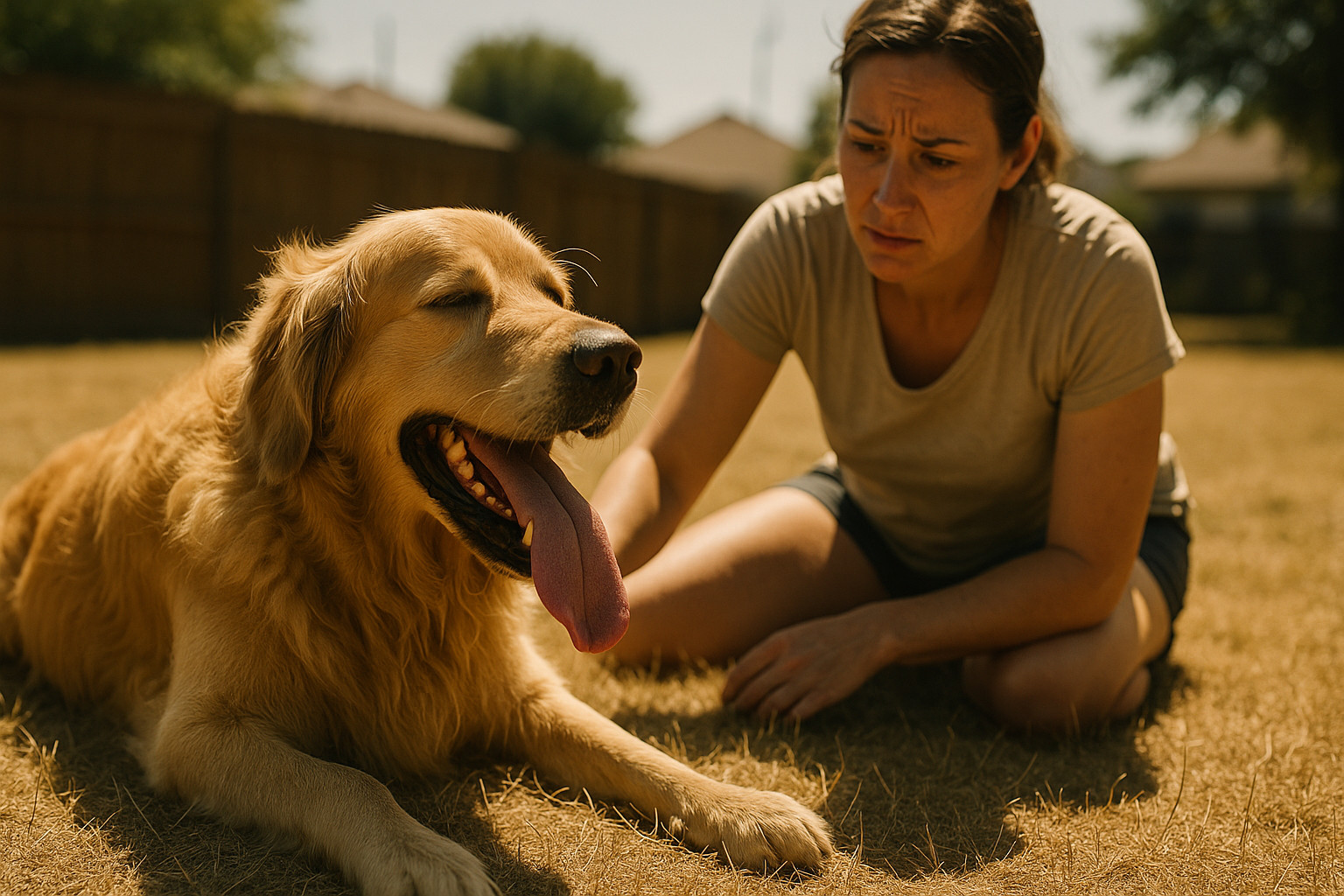
Picture this: your heart is racing after a tense day at work, your mind swirling with deadlines and responsibilities. Then a golden retriever ambles over, rests its head on your knee, and gazes up with soft, trusting eyes. In that moment, something inside you loosens. Your breath deepens. The tension begins to melt. That’s not just your imagination—science says there’s something real and powerful happening when animals and humans connect.

Ever notice how every time someone talks about obesity, they point fingers at the couch? “People just don’t move like they used to,” they say, with the smug assurance of someone who thinks the cure for rising waistlines is a gym membership and a better attitude. But what if the real problem isn’t about how much we move—but about what the system is feeding us?

Great leaders know when to stop chasing growth and start shaping it. Doing less might just be your smartest move yet.

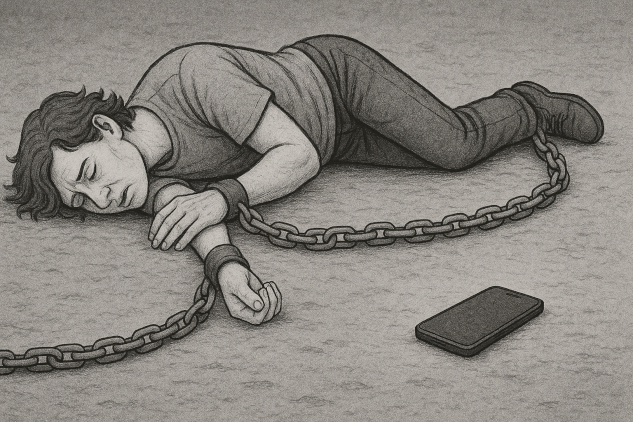
We’ve grown so attached to our smartphones that losing sight of one—even for a moment—can send our hearts racing. But what if that spike in panic wasn’t just about missing a call? What if it was something deeper: a disconnection from a part of ourselves?

What if humanity’s smartest invention turns out to be its last? That’s the question AI experts, ethicists, and a growing chorus of tech whistleblowers are asking as artificial intelligence barrels forward—unchecked, unregulated, and largely misunderstood. Most people still think AI is just a smarter Siri or a fancier version of Google. But the truth is, we’re sprinting toward something far more powerful—and potentially uncontrollable: Artificial General Intelligence (AGI), and beyond it, Artificial Superintelligence (ASI).

What if the so-called “inevitable” decline of aging isn’t inevitable at all? A new study in Nature Aging just threw a wrench into one of modern medicine’s favorite theories: that inflammation naturally worsens with age. Turns out, that only seems to happen if you live like most of us in the industrialized world—plugged in, stressed out, and boxed up. Meanwhile, Indigenous elders, untouched by our modern conveniences, age without that slow-burn internal fire we call inflammation. Maybe the problem isn’t age. Maybe it’s us.

When the temperature rises and the nights feel sticky and still, getting a good night’s sleep can seem like a distant dream. Maybe you’ve tossed and turned, searching for a cool spot on the pillow, or found yourself staring at the ceiling, listening to the hum of a fan that feels like it’s barely doing its job. Hot weather sleep is no small challenge—but with a few thoughtful changes, you can reclaim restful nights and protect your well-being during even the warmest stretches of summer.

Your liver is your body’s silent hero. It works around the clock, asking for little recognition, but offering protection, cleansing, and balance in return. Have you ever wondered how much this organ does for you — and what small steps you can take to return the favor? Let’s explore the incredible role your liver plays, the common challenges it faces, and the choices that keep it strong and healthy for years to come.

Under a heat warning, it can feel like the world itself has turned into an oven, the air thick and heavy with moisture, pressing against your skin. You might step outside and feel that immediate wave of discomfort, your body trying to tell you something. But what do these warnings really mean? And more importantly, how can you protect yourself and your loved ones from the dangers hidden in the heat? Let’s walk through this together, so you can feel confident and prepared, no matter how high the temperature climbs.

AI isn’t a magic solution to productivity woes. It only works when companies put people first and rethink how they deploy new technologies.

Why does your back still hurt even when your MRI says you're “fine”? Millions of people suffer from chronic lower back pain, yet their diagnoses remain vague or missing entirely. It's one of the most common health complaints—and one of the least understood. This article breaks down why diagnosing lower back pain is so difficult, and how to manage it effectively with limited or no medication.

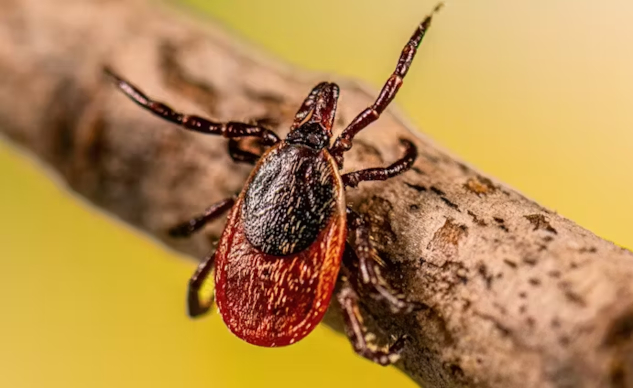
Ticks are more than pests—they’re living records of human disruption. Discover how we created the perfect conditions for them to spread disease.

Have you ever smelled something that instantly transported you back in time? A childhood kitchen, a former lover’s shirt, a forest path after rainfall? That’s not just nostalgia—it’s neuroscience. In a world addicted to screens and overwhelmed by noise, we’re missing one of the most powerful tools for mental well-being hiding in plain scent: our nose. And science now says smell doesn’t just trigger memories—it can rewire your brain.

Wildfire smoke kills far more people than the fires themselves—and it’s silently fueling a health crisis that’s worse than car accidents.
![]()
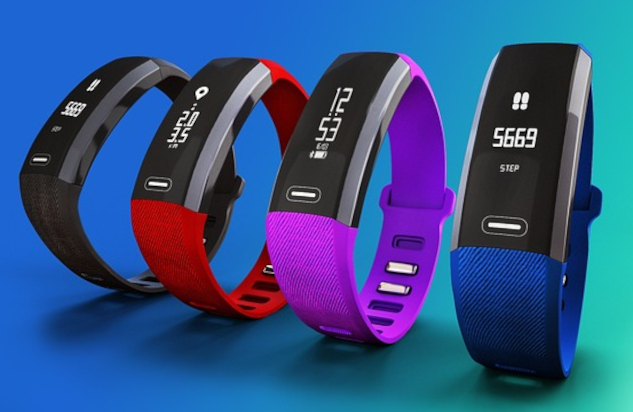
Ever feel like your fitness tracker is watching you a little too closely? You’re not alone. Those blinking lights and vibration nudges can feel like helpful reminders—or nagging digital guilt trips. But like most things in life, the truth about fitness trackers lives in the gray area. Sometimes they’re your best ally, and sometimes they quietly chip away at your peace of mind. So how do you know when they’re helping and when they’re hurting?

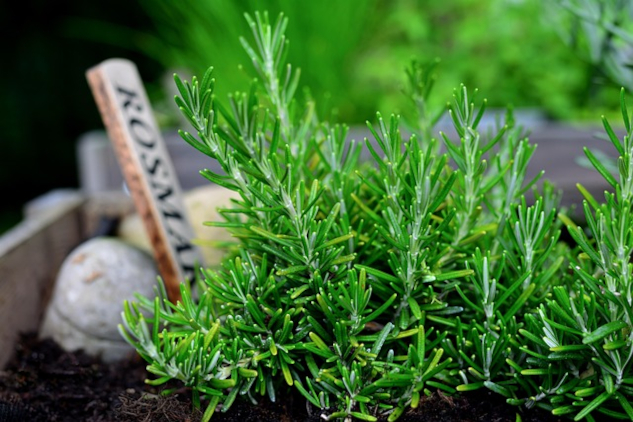
It’s amazing how a simple whiff of rosemary can stir something inside you. Maybe it’s a memory, a sudden calm, or just the comfort of something natural. For thousands of years, this humble herb has been more than a kitchen staple. It’s been a medicine, a ritual, a healer. And today, it still has so much to offer—if you’re willing to slow down and listen to what this ancient plant has to say.

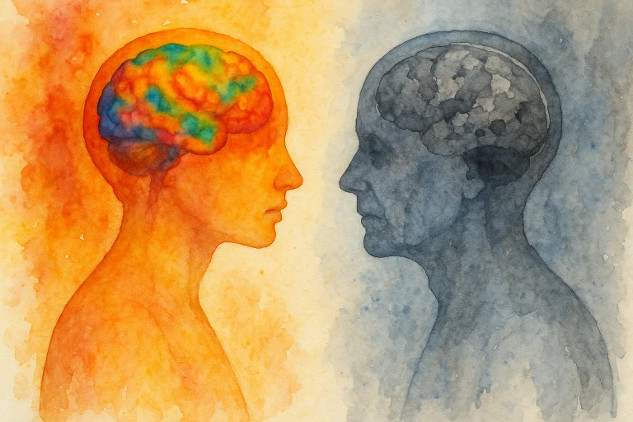
Frontotemporal dementia (FTD) attacks the very circuits that make us human — empathy, judgment, morality. In this eye-opening look at the “social brain,” neurologist Bruce Miller explains how behavioral changes are driven by neurodegeneration, not character flaws. Understanding the social brain helps us reframe how we view personality, free will, and compassion — both for patients and for ourselves.

Do you remember how it felt that first winter of the pandemic? The eerie silence in the streets, the masks on every face, the uncertainty hanging in the air like fog. Now, five years later, just when life was starting to feel almost normal again, a new COVID variant, NB.1.8.1, is quietly making its way around the globe. And disturbingly, at this very moment, U.S. leaders are choosing to roll back vaccine recommendations. Haven’t we been here before?

Do you and your dog share a calm nature, a bit of stubbornness, or social tendencies? Studies on the dog human bond and dog personality traits show fascinating parallels. From physical resemblance to shared behaviors, the connection between dogs and owners runs deeper than we think. Discover what science says about how your personality and lifestyle may shape — and be shaped by — your canine companion.

The future of entry level jobs is being rewritten by artificial intelligence. What does this mean for young workers, society, and the global economy? And how fast is this transformation coming? Understanding the timeline and consequences of AI-driven automation isn’t optional—it’s urgent. In this article, we’ll unpack the realities, explore the risks, and examine what must be done to prevent the worst outcomes of this historic labor shift.

Have you ever walked out of a doctor’s office feeling more confused—or worse, dismissed—than when you walked in? Maybe your symptoms were minimized, your concerns waved off, or you were told it was just stress or “in your head.” That hollow feeling? It has a name. It’s called medical gaslighting. And you're not alone.