
Genetics Influence Coffee and Tea Preferences
Recent research reveals that genetics play a significant role in determining whether individuals prefer coffee or tea. Specific bitter taste receptor genes influence how people...

You do not have to white knuckle your way through menopause. This transition is a whole body shift that touches mood, sleep, weight, relationships, and the story you tell yourself about aging. In plain language and with practical steps you can use today, this guide shows what to expect and how to feel more like yourself while your hormones do their dance.

False money myths shape societal beliefs around wealth and self-worth, leading to feelings of inadequacy and competition. By recognizing these misconceptions, individuals can foster a healthier relationship with money, promote personal growth, and shift from scarcity to cooperation. This article explores common myths and methods to overcome them.

This comprehensive guide explores essential minerals, their health benefits, symptoms of deficiencies, and natural food sources. From calcium and magnesium to zinc and selenium, understanding these nutrients helps in maintaining overall health and preventing various ailments. Learn how to incorporate them into your diet effectively.

You notice it in family photos first. Grandmothers and great-aunts seem to linger, telling stories that bridge generations. Grandfathers are there too, but more often as memories. Across countries and centuries, women tend to live longer than men. The reasons are not a single magic gene or one tidy behavior change. It is a braid of biology, culture, and care that pulls life in a slightly longer arc for women—and we can learn from every strand.

Why does a chorus loop in your head while you are trying to work, drive, or sleep? Earworms—those catchy fragments known in research as involuntary musical imagery—are normal, but not random. Today’s science points to predictable triggers, design features in music, and simple ways to loosen their grip without waging war on your own mind.

You’re not weak for craving chips at 9 p.m. or ice cream after a long day. Ultra-processed foods are designed to hook your attention, light up your reward system, and slip into your routines until they feel like comfort, company, even relief. If you’ve tried to “just eat less” and felt defeated, you’re not broken—the system is. Here’s a kinder, science-grounded way to regain your footing, one doable choice at a time.

Your brain isn’t a mystery box. It’s a hungry neighbor tied to your liver by a short fence and a long memory. A new clinical study shows that trimming liver fat in just two weeks can also dial down brain chemicals linked to toxicity and inflammation. That’s not a diet ad. That’s a reminder: capacity rules. The body runs on parts, power, pathways—and plain food.

Defective imports from China pose significant risks to consumers in the United States, particularly concerning vegetables. Issues range from illegal pesticide use to harmful chemical treatments. Key vegetables like garlic, mushrooms, soybeans, taro, and corn have been linked to alarming production practices, raising concerns about food safety and health risks.

Picture a glass that promises connection, ease, or celebration. Alcohol can feel like a shortcut to softer edges—but your body keeps the full ledger. Even small amounts affect sleep, mood, blood sugar, and cancer risk; bigger amounts raise blood pressure, injury risk, and strain on your liver and relationships. This warm, nonjudgmental guide translates the science into everyday language and offers gentle, doable steps to protect your health—so you can choose with clear eyes and a kind heart, whether that means drinking less or not at all.

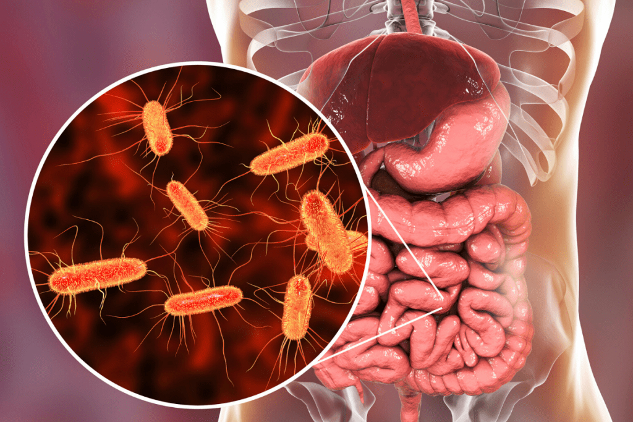
Imagine a bustling neighborhood living inside you—trillions of tiny neighbors chatting, building, and tidying up. That’s your gut microbiome, and when it’s cared for, you feel it everywhere: steadier energy, calmer digestion, brighter mood, even better sleep. In this friendly guide, you’ll learn what the microbiome is, why it matters so much for whole-body health, how to nourish it day by day, and what common habits quietly throw it off course.

Open your spice drawer and think of it as a tiny wellness kit. The everyday herbs and spices you already cook with—turmeric, ginger, cinnamon, garlic, oregano, rosemary, cumin, and more—carry plant compounds that can gently support mood, metabolism, immunity, and digestion. Used in normal kitchen amounts, they add color and comfort to your meals while helping you nudge ultra-processed ingredients aside. Here’s a warm, practical guide to which ones to invite in daily, how to use them safely, and what to avoid so your body gets the benefits without the buzzkill.

In an era when a single breach can ripple across society, being cyber resilient means more than firewalls. This article shows how digital security depends on trust, mindset, and inner composure as much as tech. You’ll learn what makes us vulnerable, how to prepare mentally and practically, and how to rebuild confidence — for yourself and your community.

Are you eating too little protein — or falling for marketing hype? Many families misunderstand how much protein they truly need. This article separates protein myths from reality, revealing how to recognize real deficiency, how needs shift with age and lifestyle, and why more isn’t always better. Learn how to balance quality and quantity for genuine health and energy.

Most people don’t think about blood pressure until a doctor frowns at their chart. Yet those two numbers — systolic and diastolic — are often the earliest and loudest signals of what’s coming for your heart, your brain, and your future. Now, the 2025 blood pressure guidelines are shifting the ground beneath our feet, redefining what’s considered healthy and pushing us toward action earlier than ever before. This isn’t just another tweak to medical jargon. It’s a wake-up call — one that could mean the difference between a long, vibrant life and a slow, preventable decline.

The 2025 government shutdown isn’t a budgeting exercise. It is a mirror held up to a political habit that never seems to die. EMTALA—the Reagan-era law requiring hospitals to treat anyone in an emergency—was once sold as a moral floor. Today, the same party that wrote it waves it like a warning flag and blames Democrats for the bill. That’s not governance. That’s a shell game with the lights off and your wallet on the table.

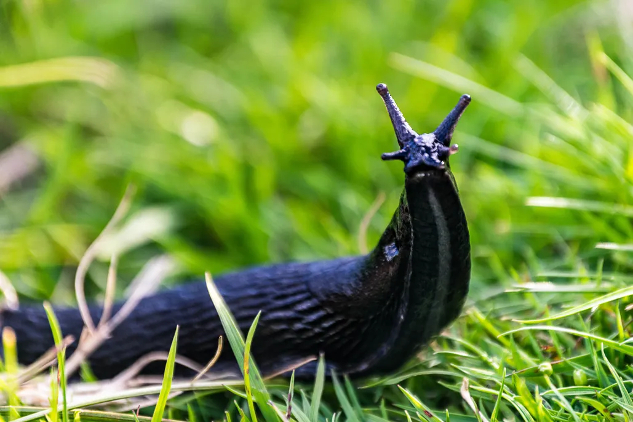
Protecting your garden from slugs and snails doesn’t have to mean harming the soil, wildlife, or your plants. With natural slug control and organic snail deterrent methods, you can create a thriving, chemical-free garden that supports biodiversity. Discover how small changes—like habitat tweaks, natural barriers, and predator allies—can protect your plants while maintaining harmony with nature’s balance.

AI has supercharged online fraud into something far more dangerous than a badly written email from a fake prince. Today’s scams think, learn, and adapt — and they’re coming for your trust, your identity, and your money. The following guide breaks down how AI-powered scams work, why they’re spreading so fast, and what you can do to stay one step ahead in this new era of digital deception.

Vaccines have been one of humanity’s greatest achievements, saving millions of lives and billions in healthcare costs. Yet rising vaccine hesitancy in the U.S. now threatens to undo decades of progress. From measles resurging to preventable deaths increasing, the stakes are higher than ever. Understanding vaccine benefits, and the danger of hesitancy, may be the key to protecting both public health and America’s future.

Diabetes and dementia are more connected than most realize. New research shows that people with type 2 diabetes face a higher dementia risk, but careful blood sugar management can dramatically change the outcome. The diabetes dementia link isn’t just about genetics or aging, it’s about daily choices and medical care. This article explores what the science reveals and how you can protect your brain health starting now.

Science tells us that love isn’t just a poetic metaphor; it’s a biological force running through our veins. Nowhere is this clearer than in the bonds we form with our pets. Whether it’s a dog meeting your gaze with unwavering loyalty or a cat curling up on your lap with a rhythmic purr, something profound is happening in both your body and theirs. That something is oxytocin , the so-called love hormone , and it’s reshaping how we understand relationships not just between humans, but between species.

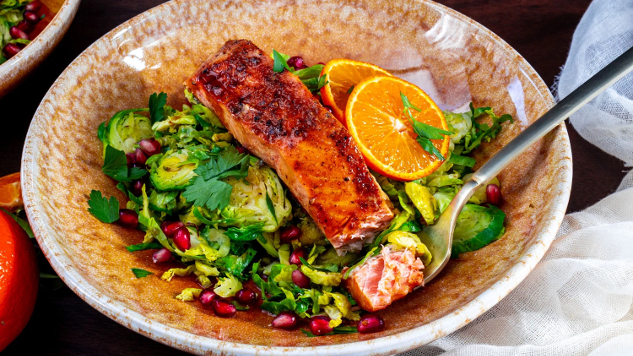
Wild salmon and farmed salmon may look similar on your plate, but the differences run deep. From flavor and texture to nutrition, safety, and sustainability, each carries its own story. Choosing between them isn’t just about taste, it’s about your health and the planet’s future. Let’s break down the wild salmon vs. farmed salmon debate so you can make choices that align with your values.