
Genetics Influence Coffee and Tea Preferences
Recent research reveals that genetics play a significant role in determining whether individuals prefer coffee or tea. Specific bitter taste receptor genes influence how people...

Most people assume the air inside their home is safer than the air outside. That assumption is wrong, and the gap between perception and reality has measurable consequences for your health. The air you breathe indoors can be two to five times more polluted than outdoor air, and the simple act of opening your windows is one of the most underused tools in your wellness arsenal.

There is something quietly powerful that happens when you stand at a stove, stirring something real. Home cooking has long been tied to comfort and tradition, but science is now catching up to what grandmothers have known for generations: preparing your own food changes not just what you eat, but how you feel, how you connect, and who you become. If you have been meaning to cook more at home but keep finding reasons to order out, this article is your gentle nudge back to the kitchen.

While millions of Europeans are quietly slashing their electricity bills by plugging compact solar panels directly into a standard wall outlet, most Americans have never heard the term "balcony power plant" — and that gap is not an accident. The regulatory, utility, and cultural forces that keep plug-in solar a fringe curiosity in the United States are the same forces that have kept energy consumers dependent and disempowered for decades. Understanding why Europe moved and America stalled is the first step toward changing your own situation regardless of where you live.

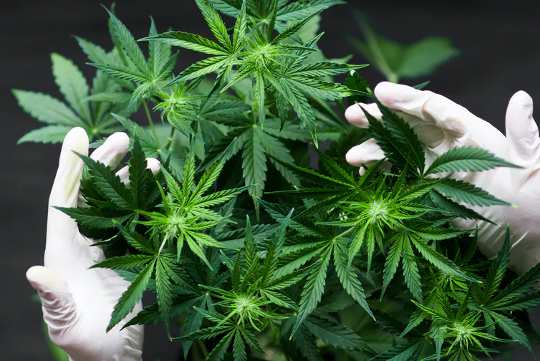
Recent research reveals the complex relationship between cannabis use and memory. While THC may impair short-term memory, CBD could offer protective benefits for neurodegenerative diseases. The impact of cannabis on memory varies greatly depending on the type and dosage, highlighting the need for a nuanced understanding of its effects.

Hummingbirds require more than just sugar water for a healthy diet. While nectar is a primary food source, these birds also need proteins, fats, vitamins, and minerals, often obtained from insects and even dirt. Proper feeding practices are essential for attracting and maintaining healthy hummingbird populations.

Food prices are not rising because of bad weather or supply chain gremlins. They are rising because a handful of corporations now control what you eat, what farmers grow, and what grocery stores charge — and nobody in Washington is losing sleep over it. Time to stop waiting for permission and start digging.

You are cleaning out a dusty garage or an old shed, and it feels like a perfectly ordinary afternoon chore. But tucked inside that pile of old insulation or behind that forgotten box of holiday decorations, there could be something invisible and genuinely dangerous waiting. Hantavirus is one of those health threats that most people have never thought about until they absolutely have to, and understanding it could make all the difference.

Recent research highlights the significant influence of marital status on dementia risk, revealing that married individuals are less likely to develop the condition as they age. In contrast, divorcees face a doubled risk, with divorced men particularly affected. This study sheds light on the complexities of social factors impacting cognitive health in older adults.

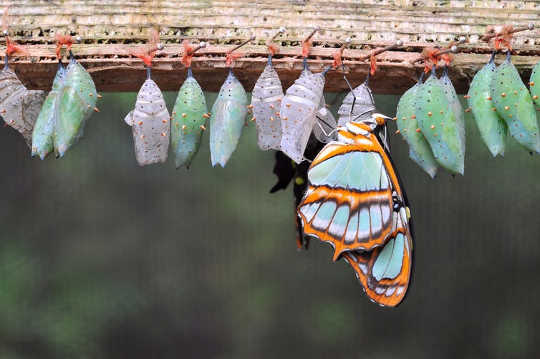
New research reveals that butterflies can retain memories from their caterpillar stage, despite undergoing a dramatic transformation during metamorphosis. A study showed that trained caterpillars could remember to avoid certain smells even after becoming adult moths, indicating that their nervous system retains memory through this complex life cycle.

You already know chronic stress is bad for you. You have heard it a hundred times, probably while you were stressed. But what if the advice you have been given about fighting back against stress has been putting the emphasis in the wrong place all along? New research suggests that when it comes to protecting your body and mind from the long-term damage of chronic stress, what you eat and how you sleep may matter far more than how many miles you log on the treadmill.

Two billion people already eat insects as a regular part of their diet, and they have been doing so for thousands of years. The Western world is catching up slowly, not because the idea is new, but because the evidence for it has become impossible to ignore. If you have ever wondered whether the squeamishness is worth holding onto, the answer is almost certainly no.

Sitting on the floor has been a natural resting position for humans throughout history, offering potential health benefits like improved posture and flexibility. While scientific evidence is limited, many health professionals advocate for floor sitting as an alternative to conventional chairs, suggesting it may help alleviate lower back pain and maintain spinal curvature.

You have probably started over more times than you can count. The diet worked for a while, the scale moved, and then life happened and somehow you ended up right back where you began. If that cycle sounds exhaustingly familiar, you are not alone, and more importantly, you are not broken. The real problem is not your willpower. It is the approach itself.

Engaging in group exercise can significantly enhance mental well-being, especially among young individuals. Research indicates that those participating in team sports or informal fitness groups experience better mental health compared to those who exercise alone. The motivation behind exercising and the social connections formed during these activities are crucial for mental health improvements.

For decades, the conversation about depression treatment has circled the same well-worn options: antidepressants that take weeks to work, therapy that requires months of commitment, and outcomes that remain frustratingly inconsistent for millions of people. Now a molecule derived from mushrooms that indigenous cultures have used ceremonially for thousands of years is sitting at the center of one of the most significant psychiatric research shifts in a generation. The question is no longer whether psilocybin does something remarkable in the brain. The question is whether we can use it safely, systematically, and without losing what makes it work.

You know that feeling when everything is fine, and then suddenly it absolutely is not, and you cannot quite explain why the dishes in the sink feel like a personal attack? If that lands somewhere familiar, you are not alone, and you are not losing your mind. PMS and its more intense cousin, premenstrual dysphoric disorder, affect millions of people every month, yet too many suffer in silence, convinced they simply need to be stronger or calmer or less sensitive.

Somewhere around their seventies, a lot of people start shrinking in ways that have nothing to do with height. They grip things a little less firmly. They hesitate at curbs. They stop trusting their own legs. Medicine has a name for this: frailty. And here is the part nobody tells you plainly enough — most of it is not inevitable, and a surprising amount of it is reversible with tools so simple they seem almost insulting.

Most people assume that growing food requires acres of land, a rural address, or at minimum a backyard with decent soil. That assumption is wrong, and it has kept millions of people from one of the most practical and quietly radical acts available to them. The truth is that edible gardens scale down just as effectively as they scale up, and understanding the underlying design logic makes all the difference.

You are standing in the checkout line watching the total tick upward, and somewhere around the third or fourth item you start doing that quiet mental math that never quite adds up. Food costs have surged in ways that hit differently than other price increases, because you cannot simply decide not to eat. The good news is that cutting back does not have to mean cutting the joy out of every meal.

With an overwhelming selection of sunscreens available, selecting the right one can be daunting. Essential factors include SPF level, broad spectrum protection, water resistance, and TGA approval. Personal preferences, such as skin sensitivity and application methods, further influence the choice, especially for children and those with specific skin concerns.

Most of us spend a lot of time worrying about our physical health but give surprisingly little thought to the organ running the whole show. Your brain is quietly keeping score of every choice you make, and the good news is that some of the most powerful things you can do for your cognitive health are also the most ordinary. A researcher at Virginia Tech is pulling back the curtain on what the science actually says, and the findings might just change how you think about your morning routine.