Life Changes
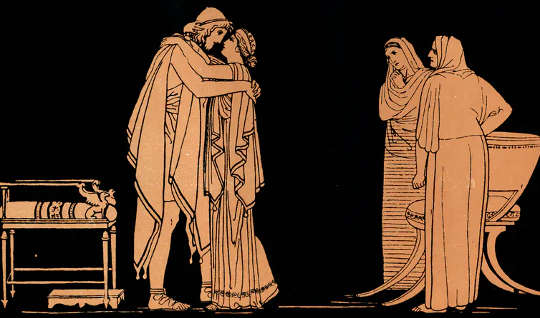
Healing Through Storytelling: Lessons from The Odyssey
The journey of Odysseus in Homer's 'The Odyssey' offers profound insights into healing...









Social distancing to combat COVID-19 is profoundly impacting society, leaving many people wondering whether it will actually work. As disease ecologists, we know that nature has an answer.

In these difficult times, it’s not surprising some people are looking to alcohol for a little stress reduction. But there are healthier ways of coping with the challenges we currently face.

Responding to the coronavirus pandemic, most American universities have suspended all campus activities. Like millions of people all around the world, the lives of students all over the U.S. has changed overnight.

So, who knows exactly what's going on right now? I've reviewed videos, read blogs and articles and books, accessed a variety of news sources, mainstream and sidestream, watched YouTube videos of doctors and economists, listened to informed and anxious friends, and I'm no closer to knowing for sure than before.

Thinking under extreme time pressure is not optimal, but it is inevitable that we will find ourselves in this situation at times. It is always best not to rush and get seduced by mental shortcuts. Use all the time available to you in making a decision.

People who are starved for love go out and try to get attention! Now some people may do that by becoming prominent in a constructive way by being in theater, media, or the top in their field. Others choose another route.

I once worked for a rather abusive woman who constantly berated, belittled and badgered her employees -- me included. If any of us sought to stand up for ourselves, we were chastised and told in no uncertain terms that we were insecure whiners who should appreciate we had a job in the first place.

Health care professionals keep say to avoid touching your face as protection from COVID-19, but it’s a lot easier said than done.

The other day I went into Costco to buy some toilet paper. It came as a small shock when I couldn’t find a single roll.

At one time or another, just about every parent uses food to reward their kids for good behavior and achievements – or to console them when they’re sad or disappointed.

The problem is that our lower brains are not equipped to adapt to the multiple demands and complexities put on it by modern living. So this primitive mechanism quickly goes into overwhelm and never turns off.

“If you can’t be better than your competition,” Vogue editor Anna Wintour once said, “just dress better.”

Every habit has its weight. Over time, the gravity of our routines gets heavier, making change increasingly difficult. The phrase, "You can't teach an old dog new tricks" pretty much sums it up.

Racism has negative consequences for children’s health. It harms the kids who experience it personally and those who witness it, according to the American Academy of Pediatrics, an organization that represents 67,000 doctors who treat children.
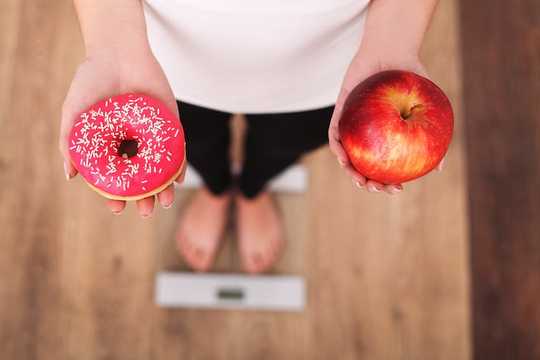
Even the most emotional person uses rational thought when deciding, and even the most rational person is affected by emotions when making decisions.

We all feel the oppressive presence of rules, both written and unwritten – it’s practically a rule of life.
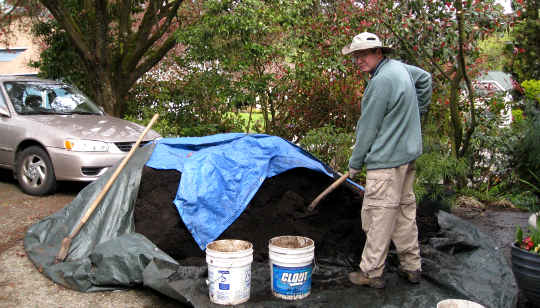
Unpleasant things happen in life. They happen to everyone. The only difference between a happy person and one who gets depressed is how they respond to disasters. Imagine you have just had a wonderful afternoon and when you return home, you find a huge truckload of dung has been dumped right in front of your door...

In a recent study that we conducted, 29% of romantically involved Facebook users had a “couple” photo as their current profile picture.

‘The whole problem with the world is that fools and fanatics are always so certain of themselves, and wiser people so full of doubts.’
One of the greatest gifts that evolutionary empaths give to the world is an open, loving heart. We are deeply committed to holding the vibration of love and heart-centeredness on this planet, often to our frequent detriment when we walk the path unconsciously.

By not limiting their own phone use, parents and other caregivers may be unwittingly setting kids up to be addicted to screens.
The journey of Odysseus in Homer's 'The Odyssey' offers profound insights into healing...

Fostering a legacy of joy empowers individuals to inspire authentic self-expression in...
Junk emotions like anxiety, anger, and jealousy can hinder personal well-being and...
Awareness meditation shifts focus from traditional breath techniques to observing...

The exploration of precognitive dreaming reveals a profound interconnectedness within...
Negative moods can linger and affect overall well-being, but identifying their triggers...

A rare celestial formation is quietly reshaping the foundations of everything we know —...
You don't need a week in silence at a mountain retreat to feel spiritually alive again....