Life Changes
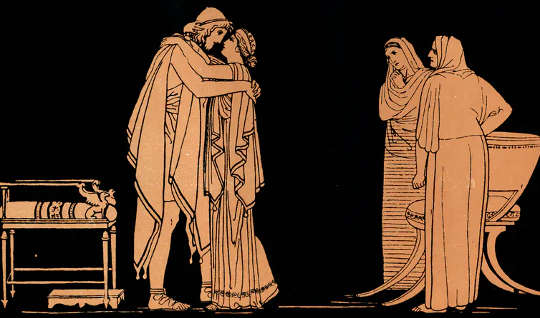
Healing Through Storytelling: Lessons from The Odyssey
The journey of Odysseus in Homer's 'The Odyssey' offers profound insights into healing...








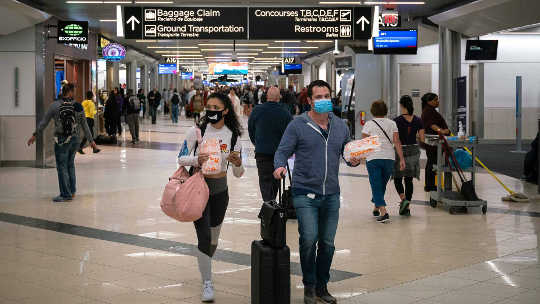
While airlines promote holiday deals and encourage travel, a nationwide Covid-19 surge makes getting on a plane risky.

My wife Marie and I are a mixed couple. She's Canadian and I am an American. For the past 15 years we have spent our winters in Florida and our summers in Nova Scotia.

One day at a retreat - I was quite young at the time - I was in a group, and we were asked to fall deeply still and find a restful place within. Then, when we opened our eyes, we saw a projected image of a beautiful peach-coloured rose...
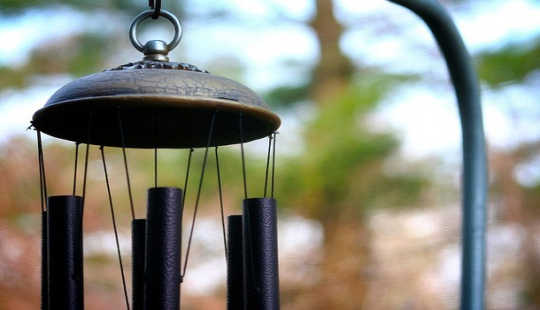
We might say there are two types of mind within us -- the mind that is generative and the mind that is receptive. Generative mind keeps us awake at night, playing nonexistent chess games with the circumstances of our lives.
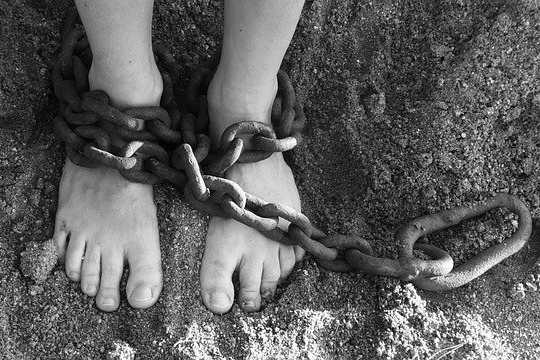
What is guilt? Most people know the answer. It's the feeling of responsibility for doing something wrong, or having done something wrong in the past. I would say we all have this feeling of guilt. It's universal. We've all made mistakes, sometimes big ones. And feelings of guilt are too often the result.
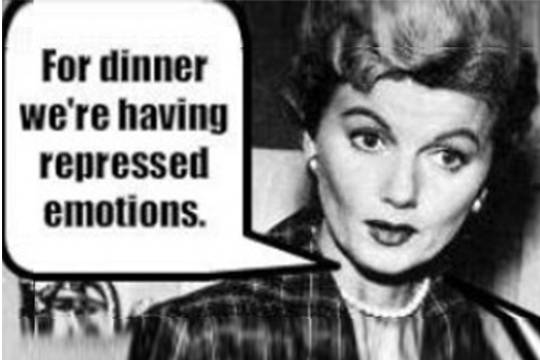
Many of us have been holding back and storing unfelt emotions. What's the purpose? Unfortunately, the reason behind suppressed emotions is self-defeating. Holding back from "feeling your feelings" is usually how we try to protect ourselves from being hurt. However...

A new study explores why people make a “non-click” choice, a decision to not respond to some social media posts, even when they spend time as “lurkers” of the content.

Our frustration is palatable now, in a hate-filled political environment where misinformation and outright lying has become the norm. Who to vote for, what to do? No wonder ideas like stocking up on ammunition seem reasonable to some people. But there’s another option: vote for peace.

Some of our fears are so slight, or come up so rarely, that we ignore them for the most part. Yet, all our fears are with us constantly whether or not we acknowledge their presence. They reside in our subconscious and create havoc in our life. Whether your fear is of death or of spiders, that fear runs your life.

You have been instructed to worry and fret all of your life. This has occurred through all sorts of means—school, friends, religious doctrine, literature, television, movies, history, and family. The idea of worrying about your family has even been exalted as a form of love. It is NOT! Worry is a mental construct that obstructs flow and naturalness.
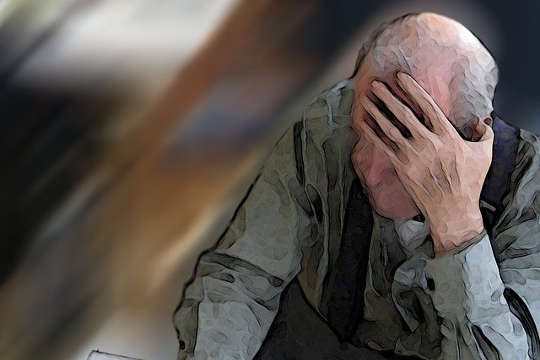
As a psychologist whose specialty is treating men, I believe that behind many of the threats we face are the invisible, dangerous, dysfunctional and persistent beliefs that manhood is about power and control. These beliefs about what it means to be a man are what I refer to as “confined masculinity.”

Our minds are constantly in the past, focusing on our memories; or in the future, focusing on our expectations. But both of these states of mind are breeding grounds for fear. If we can pull our attention back to the present moment, the fear subsides. Here’s how to shift into ...

Everyone gets angry. Some people show it openly and others don't. In relationship, anger can be either healthy or unhealthy. How you process it is what determines whether it becomes a tool for growth or a source of pain and destruction.
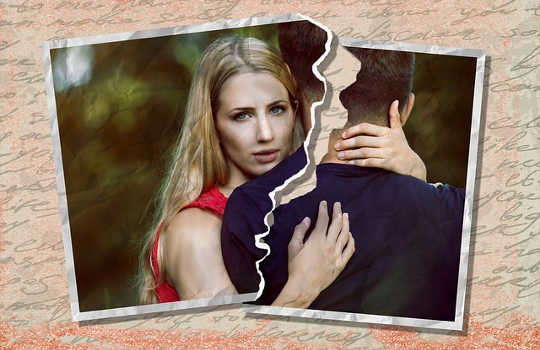
Fear patterns begin early in life, affect every relationship we have, and waste a lot of energy. Our inner dragons of fear can make us run from love and intimacy, hide from the very things we say we most want, repeat the same mistakes over and over, and see the world in black and white terms.
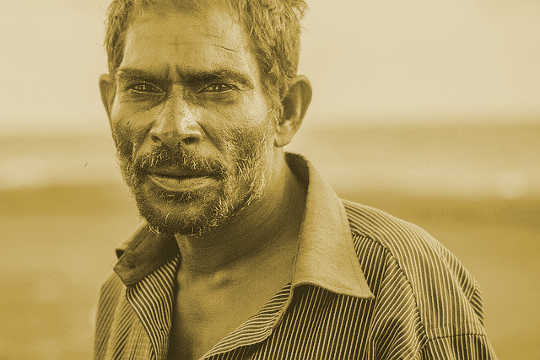
The most difficult act of bravery is often kindness. There are a hundred reasons not to help a stranger passed out in a parking lot. It’s potentially dangerous. The person might be “crazy,” have a communicable disease, or smell. The situation isn’t our problem, we’re busy and don’t have time, and so on.

The pandemic has posed unprecedented challenges. Many of us have lost work, gained carer responsibilities and grappled with social isolation.
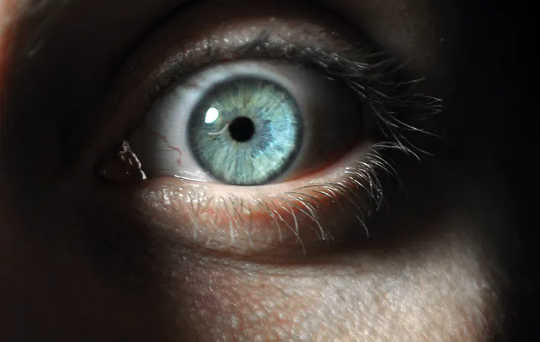
Why are some humans cruel to people who don’t even pose a threat to them – sometimes even their own children? Where does this behaviour come from and what purpose does it serve?

Most of us have some corner where we cannot forgive ourselves. Our hearts ache for the choices made or denied, and we bury that ache beneath a blanket of guilt or high-minded justifications.

Most of us feel guilty or lazy when we put things off until a later date or time, but procrastination is normal and happens to everyone. The key is not to eliminate the word from your vocabulary, but to find ways to work and rest smarter so that tasks get done.
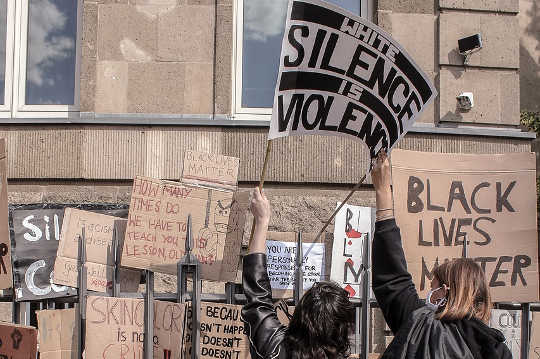
Changes in personality may also lead to changes in political ideologies, researchers report.

The less we know about what is expected of us in a given situation, the more likely we are to act selfishly, researchers report.
The journey of Odysseus in Homer's 'The Odyssey' offers profound insights into healing...

Fostering a legacy of joy empowers individuals to inspire authentic self-expression in...

Junk emotions like anxiety, anger, and jealousy can hinder personal well-being and...

Awareness meditation shifts focus from traditional breath techniques to observing...

The exploration of precognitive dreaming reveals a profound interconnectedness within...
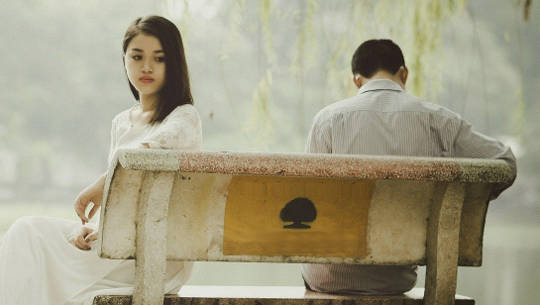
Negative moods can linger and affect overall well-being, but identifying their triggers...

A rare celestial formation is quietly reshaping the foundations of everything we know —...

You don't need a week in silence at a mountain retreat to feel spiritually alive again....